The Future of Mobile App Development
Explore the future of mobile app development with a focus on mastering the software development life cycle. Discover insights on mobile for apps, business process optimization, and custom software development for a seamless digital experience.
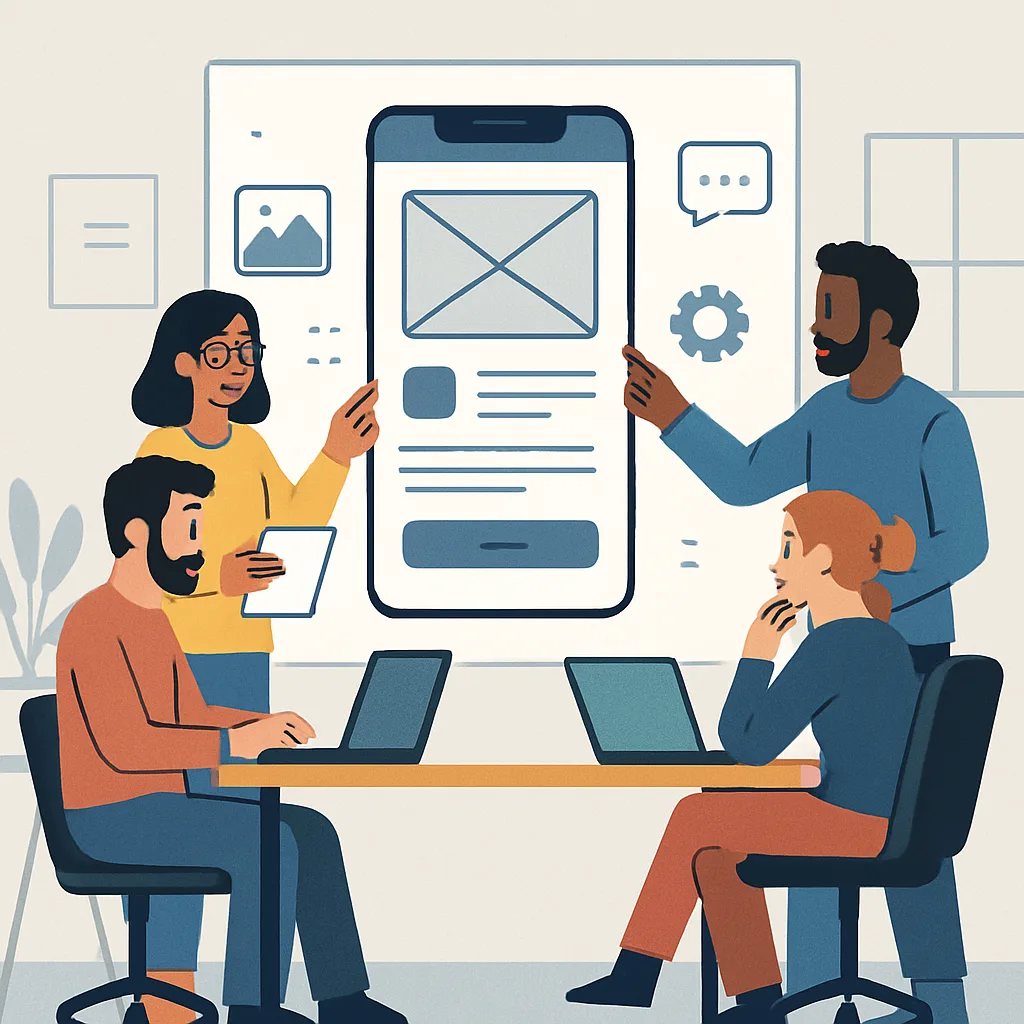
The smartphone revolution has fundamentally changed how businesses operate, interact with customers, and deliver services. As consumer expectations for flawless digital experiences continue to skyrocket, the future of mobile app development relies less on momentary sparks of genius and more on robust, repeatable processes. Behind every successful application downloaded from the App Store or Google Play is a meticulously crafted framework known as the software development life cycle (SDLC).
As we look toward the future, mastering this lifecycle is no longer optional. It is the core engine driving innovation, scaling digital products, and ensuring long-term success.
The Evolution of Mobile Technologies
We are witnessing a paradigm shift in how digital products are built. Creating specialized mobile for apps ecosystems requires a deep understanding of user behavior, hardware capabilities, and cloud integrations. According to software engineering news today, the industry is leaning heavily into artificial intelligence, augmented reality, and cross-platform frameworks.
However, all these shiny new technologies fall flat without a disciplined approach. To leverage these advancements, organizations are turning toward custom software development to tailor solutions specifically to their target markets. This bespoke approach goes hand-in-hand with business process optimization, ensuring that the apps not only delight users but also streamline internal company operations.
Planning and Requirements: Setting the Stage for Success
The first step in any successful application is a rock-solid plan. Without clear direction, projects quickly derail, budgets bloat, and timelines stretch into infinity.
Mastering System Requirements
Gathering requirements is the foundation of the SDLC. Following system requirements analysis best practices means moving beyond vague ideas and documenting exactly what the software needs to do.
- Stakeholder Interviews: Engage early with clients, end-users, and technical leads.
- Feasibility Studies: Assess whether the technology actually exists to support the vision.
- Documentation: Create clear, accessible living documents that the whole team can reference.
Frameworks and Methodologies
During the planning phase, teams face a critical decision: choosing the right project management framework. This often leads to the classic Agile vs Waterfall methodology comparison. While Waterfall's sequential, rigid structure works well for highly regulated industries (like aerospace or healthcare), Agile has become the gold standard for mobile applications. Agile's flexibility allows teams to pivot based on user feedback and changing market conditions.
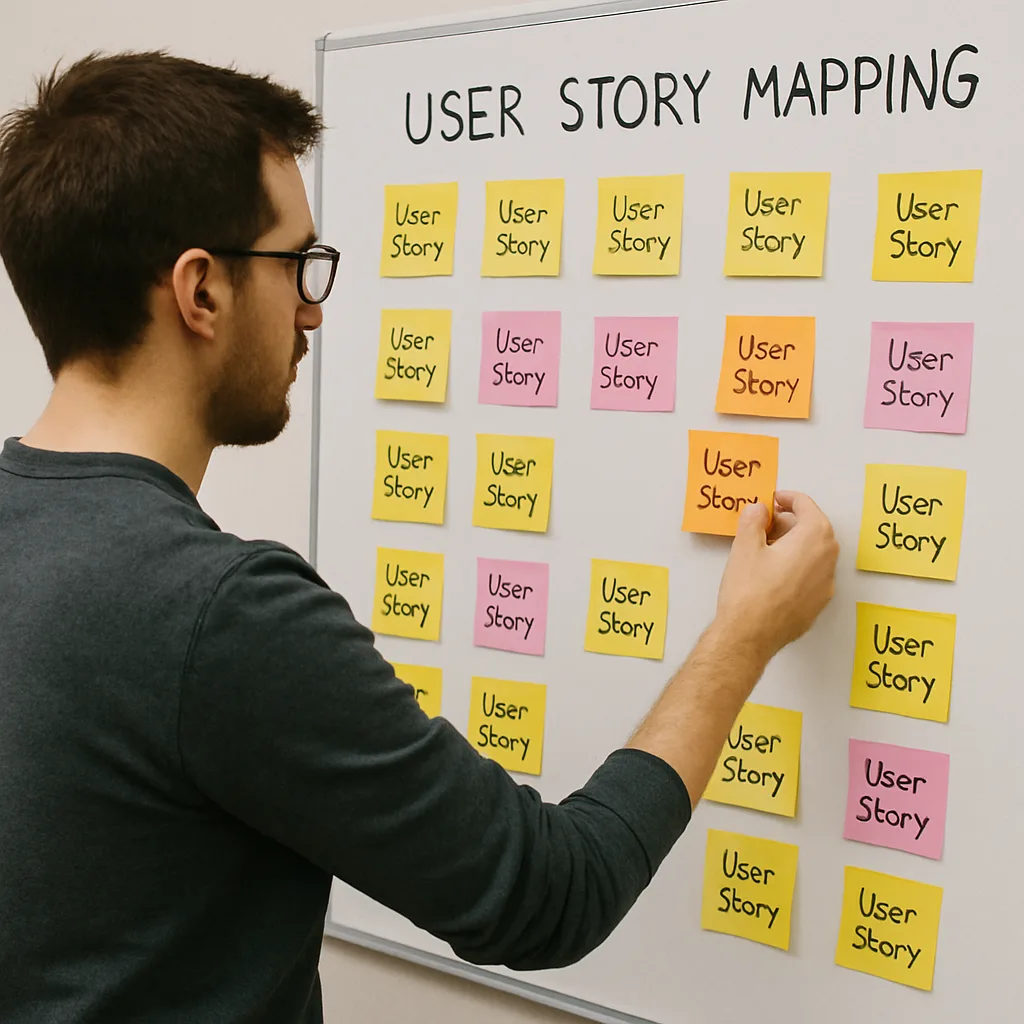
To truly understand the user journey within these frameworks, teams rely on user story mapping techniques for developers. By visually mapping out how a user interacts with the app from login to checkout, developers can prioritize features that deliver the most immediate value.
Design and Architecture: Building for Scale
Once requirements are locked in, the focus shifts to design. This isn't just about making the app look pretty; it's about establishing the structural integrity of the software.
Strong software architecture design principles dictate that an app should be modular, scalable, and resilient. Developers must decide between iterative versus incremental development models. In an incremental model, the app is built piece by piece (like building a house room by room). In an iterative model, a basic version of the whole app is built and then continuously refined (like sketching a portrait before adding the final colors). Often, modern mobile app development combines both, ensuring rapid delivery without sacrificing the overarching vision.
Development and Coding: Speed Meets Quality
The coding phase is where the magic happens. Here, the theoretical designs are translated into functional code. With the tech landscape booming, there is an unprecedented demand for talent. A quick glance at industry job boards reveals a constant stream of software developer jobs. Whether it's a junior software developer vacancy or a senior software engineer vacancy, companies are aggressively hunting for professionals who can write clean, efficient code.
Accelerating the Build
A common question among tech leaders is how to improve application development speed without compromising quality. The answers lie in modern tooling and smart practices:
- Code Reusability: Leveraging libraries and pre-built modules.
- AI Assistants: If you keep up with developer tools news today, you know that AI-driven code completion tools are drastically reducing manual typing and basic error rates.
- Pair Programming: Having two developers work on the same workstation to instantly review code and solve complex logic puzzles.
Testing: Ensuring a Flawless User Experience
A beautiful, fast application is useless if it crashes every time a user taps a button. Testing is paramount.
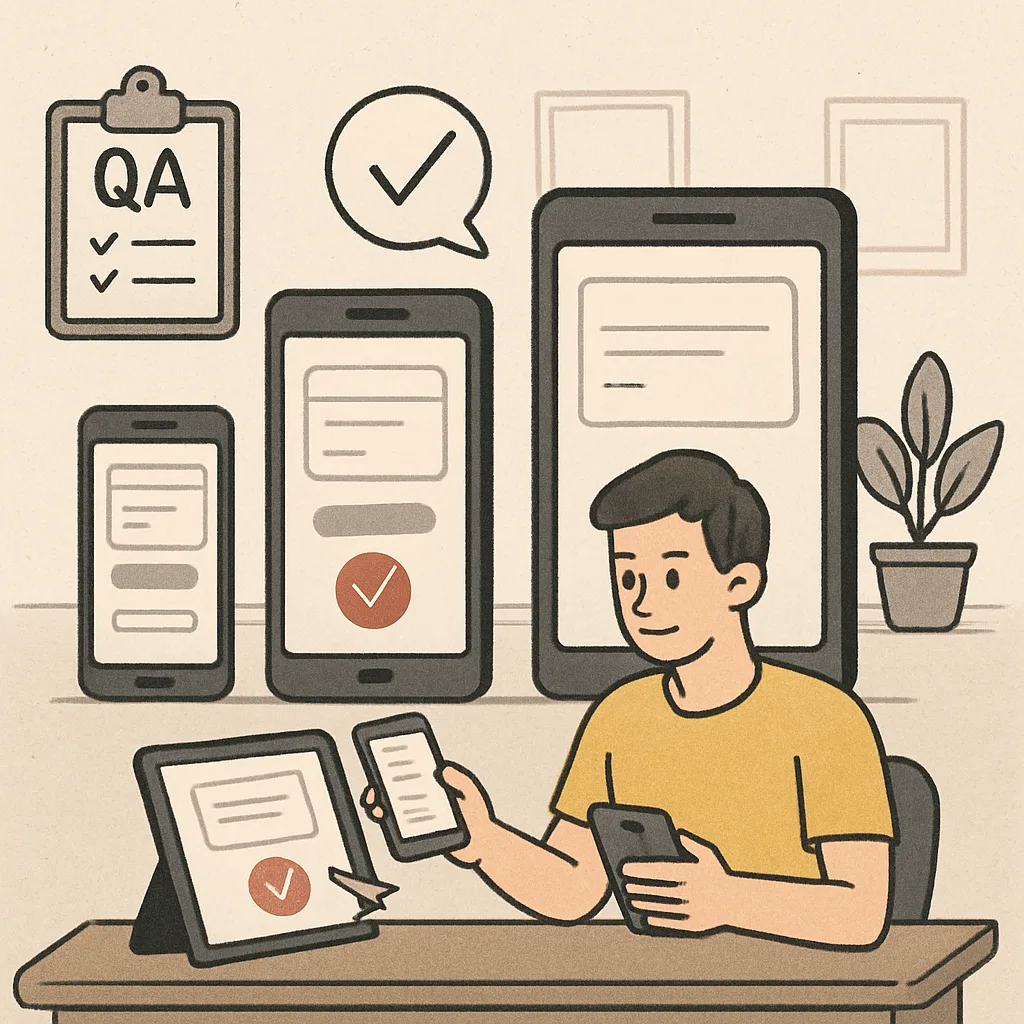
While people often use the terms interchangeably, there are distinct differences between SDLC and STLC (Software Testing Life Cycle). The SDLC covers the entire journey of the software from conception to retirement. The STLC is a specific subset focused entirely on validating and verifying that the software meets its requirements.
Comprehensive Validation
A robust testing strategy requires a balance of functional versus non-functional testing. Functional testing ensures the app does what it's supposed to do (e.g., the "Add to Cart" button actually adds the item to the cart). Non-functional testing evaluates how well the app performs these tasks, focusing on load times, usability, and stability under stress.
Furthermore, the industry is witnessing the massive impact of shift-left testing on quality. "Shifting left" means moving the testing phase earlier in the SDLC, testing code as soon as it is written rather than waiting until the end of the development phase. This proactive approach catches bugs when they are cheap and easy to fix, rather than expensive and deeply rooted in the architecture.
Deployment and Security: The DevSecOps Era
Once the code is written and tested, it must be delivered to the users. In the past, deployment was a manual, error-prone nightmare. Today, the focus is on automating deployment with CI/CD tools (Continuous Integration and Continuous Deployment).
But what are the benefits of continuous integration?
- Reduced Risk: By merging code changes frequently, merge conflicts are minimized.
- Faster Feedback: Automated tests run instantly, alerting developers to broken code immediately.
- Faster Time-to-Market: Features reach users in a fraction of the time.
Security First
As mobile devices become the primary vault for personal and financial data, security cannot be an afterthought. Integrating security into devops pipelines (a practice known as DevSecOps) ensures that vulnerability scanning, compliance checks, and threat modeling occur automatically alongside the build and deployment processes. This prevents data breaches and ensures user trust is maintained from day one.
Maintenance: The Unsung Hero of App Success
The launch of an app is not the finish line; it is merely the starting line. The future of mobile apps relies heavily on what happens after the product goes live.
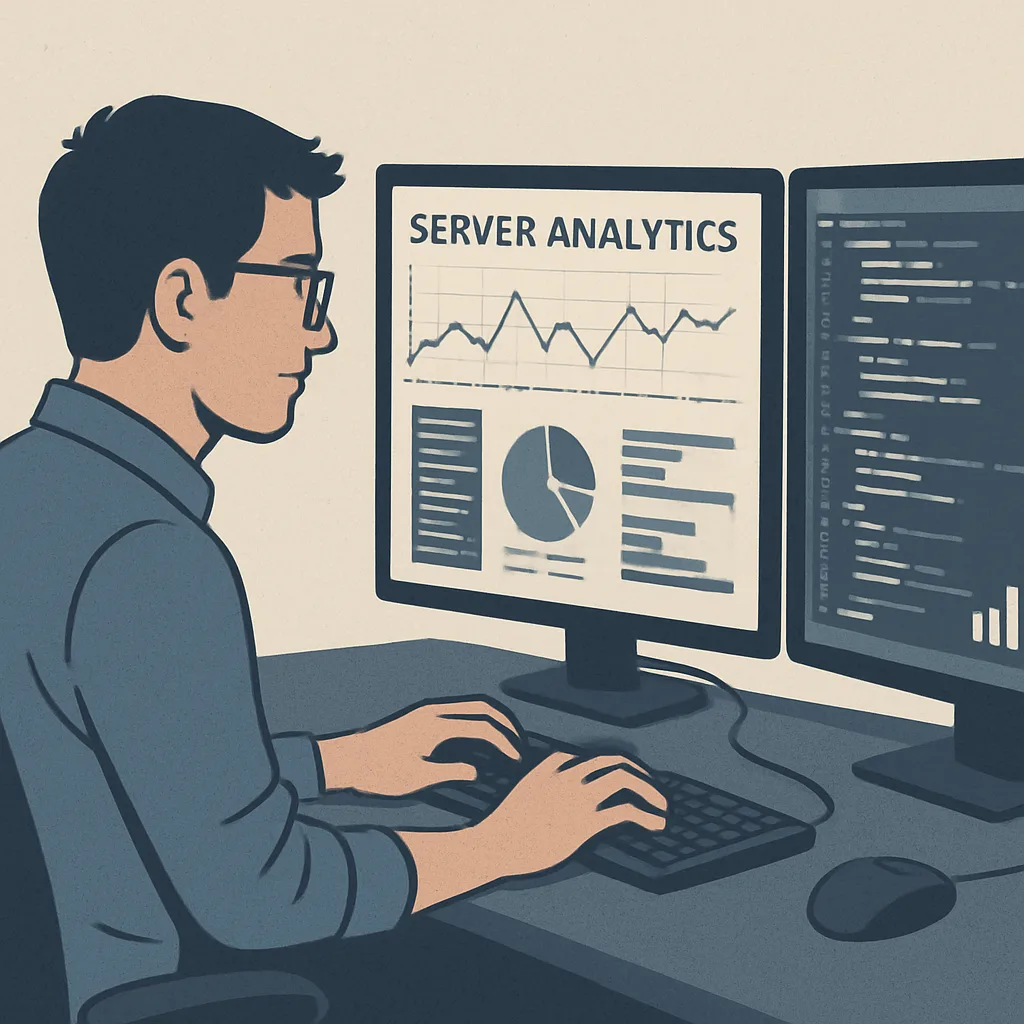
Implementing strong post-release maintenance and support strategies is vital. Operating systems update, new devices are released, and user preferences shift. An app that isn't actively maintained will quickly become obsolete.
A major part of this ongoing maintenance involves managing technical debt during production. Technical debt occurs when development teams choose speedy, sub-optimal solutions to meet a tight deadline. While acceptable in the short term, this debt must be "paid back" through code refactoring. If left unchecked, technical debt accumulates, making future updates sluggish, buggy, and incredibly expensive to implement. Regular maintenance cycles dedicated strictly to code health and optimization keep the application agile and scalable for years to come.
Conclusion
The future of mobile applications is incredibly bright, characterized by AI-driven features, seamless cross-platform experiences, and unprecedented user personalization. However, the bedrock of this futuristic landscape remains a highly disciplined software development life cycle.
By applying rigorous planning, choosing the right frameworks, shifting testing to the left, and automating deployments, development teams can deliver exceptional digital products. Whether you are aiming to land a new role in the tech industry, looking to optimize your business processes, or setting out to build the next viral app, respecting and mastering every phase of the SDLC is your definitive roadmap to success.